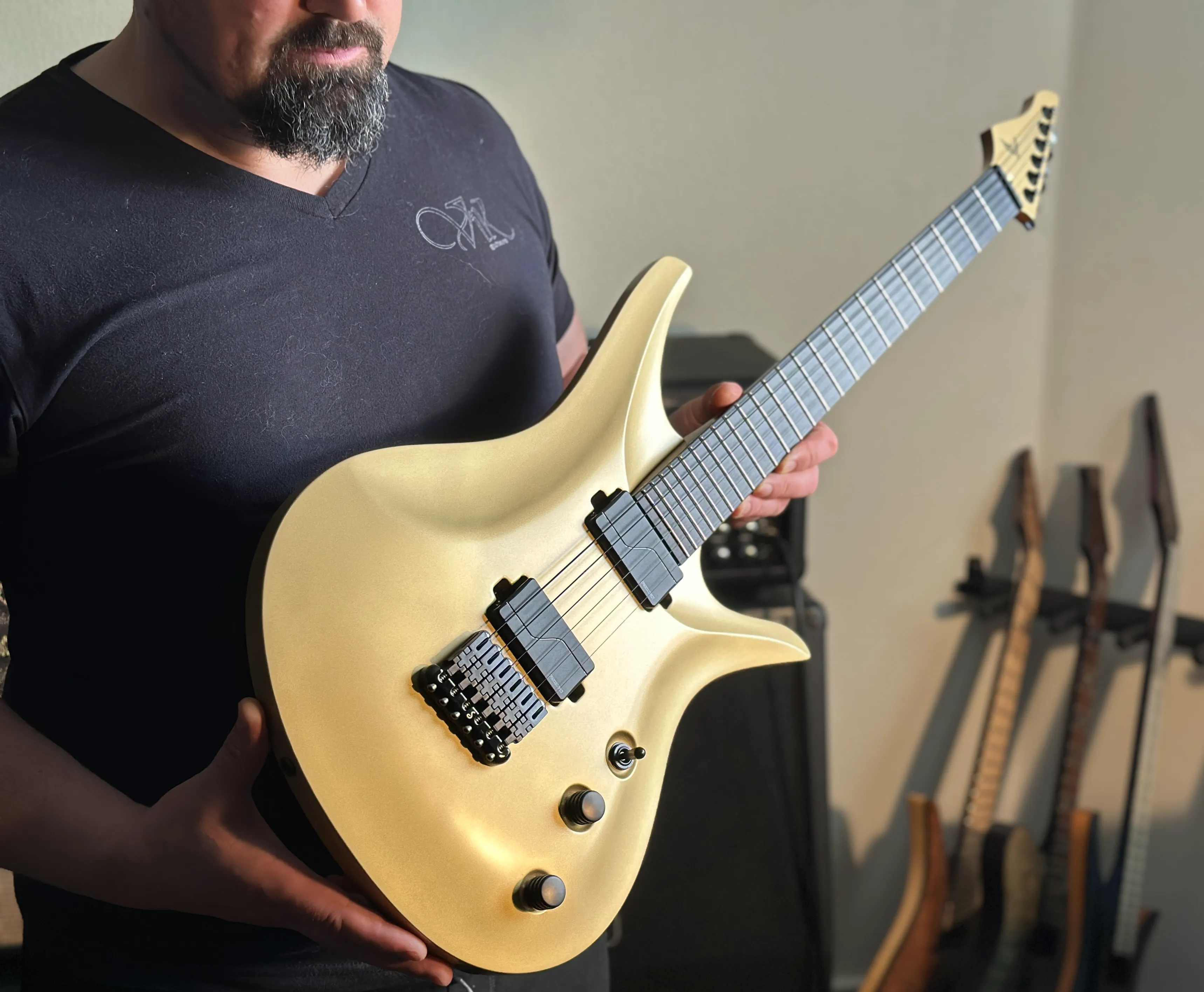
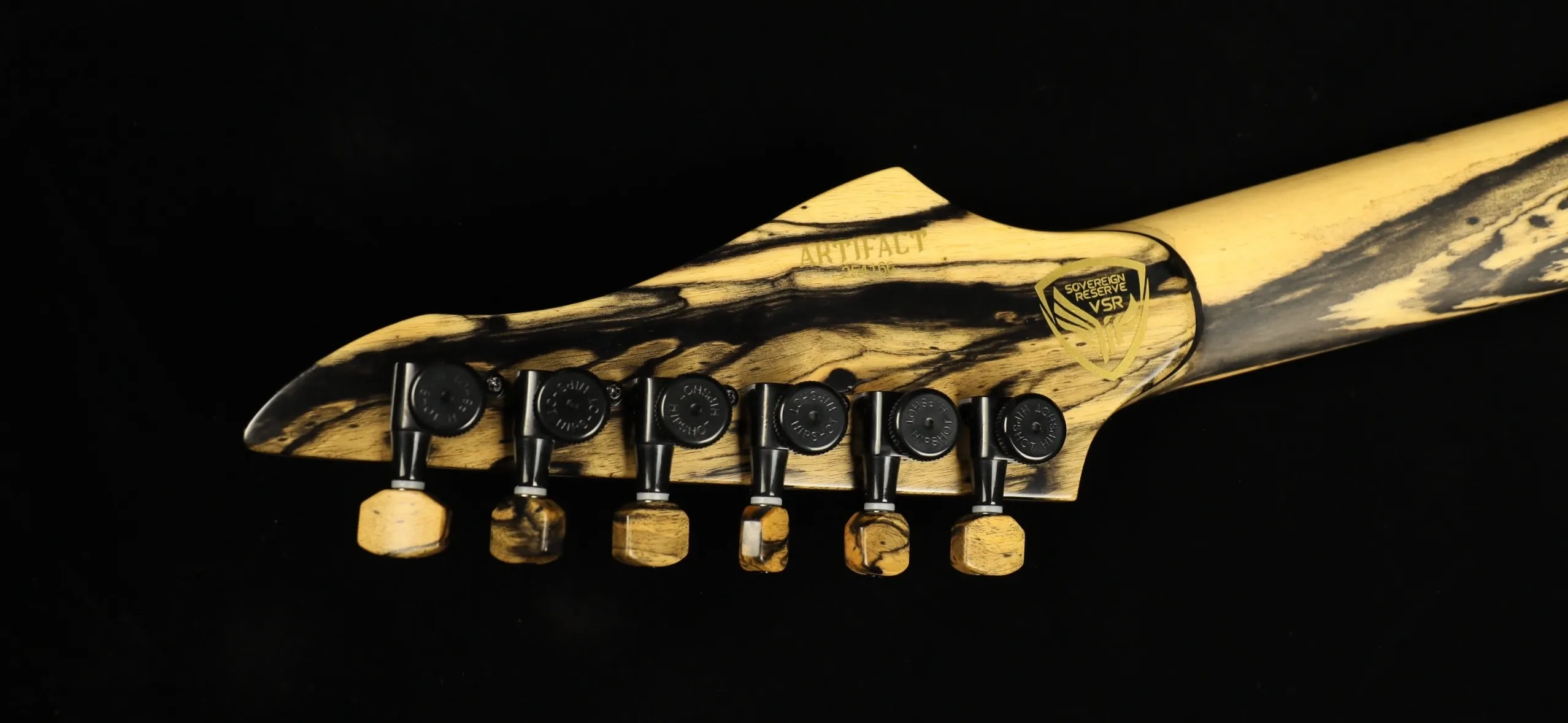
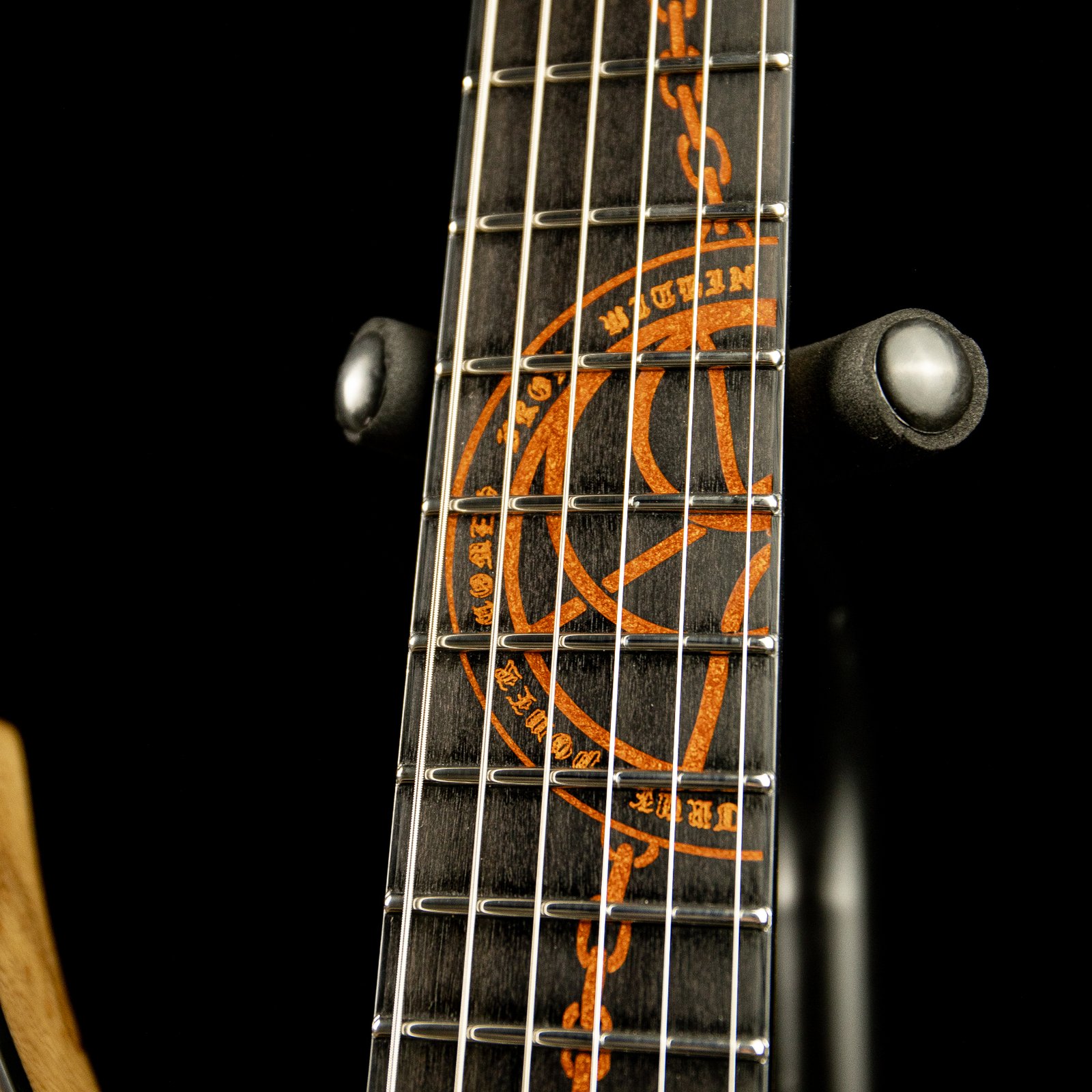
CNC vs Handmade: The Art, the Machine, and the Balance Between
For many years, I was skeptical — adamantly so — about implementing CNC technology into my guitar-making process. In my mind, “true luthiery” meant hands-on from start to finish. If it didn’t involve chisels, scrapers, templates, and a whole lot of patience, was it even real guitar building?
Hundreds of instruments left my shop shaped entirely by hand — bodies, necks, fret slots, the works. I took pride in that, and I still do. Then technology shifted. More accessible, user-friendly CNC machines started popping up, and I was presented with an opportunity to have a custom CNC built specifically for my workflow. After months of deliberation (and a fair bit of existential dread), I said yes.
Some Things Just Make Sense
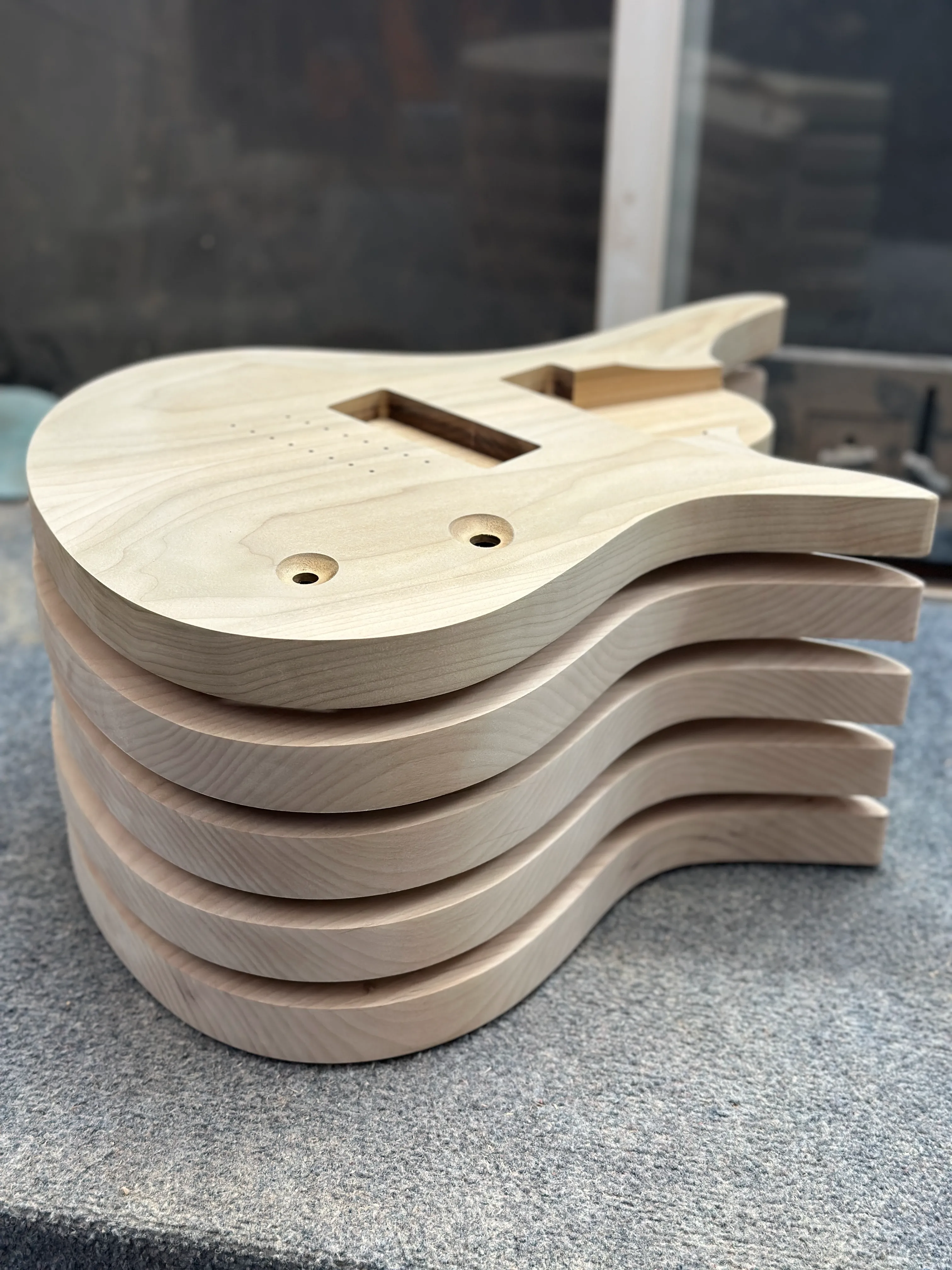
The very first job my CNC took on was cutting fret slots — precisely matching the compound radius of my fingerboards. That alone was a game changer. Next came the cavities — pickups, neck pockets, tremolo routes, control chambers. Here's the truth: a properly set and programmed CNC will do a better job on those than even the most seasoned human on their best day. Not because the machine is "better," but because it doesn't flinch, slip, or get tired.
But Then… The Sculpting
This is where the line blurs. Carving tops, shaping bodies, and most of all — sculpting necks — isn’t just about accuracy. It’s about feel, intuition, and that elusive quality that can’t be measured in microns or replicated with G-code. Twenty-something years into this, I let the CNC do the heavy lifting. It clears out about 80% of the bulk, and I step in for the final shaping.
Still, necks? I carve every single one by hand. It’s faster. It’s more precise in a human way. And frankly, a neck hand-shaped by someone who cares about it just feels different in your hand. Same reason a great live drummer will always hit you harder than a drum machine — even if the machine is surgically perfect.
The Bottom Line
In this day and age, I firmly believe that having a CNC is essential in a modern guitar shop — big or small. But if you hand over every part of the process to the machine, don’t be surprised if your guitars start feeling… lifeless. Because in the end, the energy you put into the build — the passion, the decisions, the subtle sculpting of tone and form — that’s what breathes life into a guitar.
A CNC can build a part. But only a luthier can make it into a guitar and give it a soul.
Vik Kuletski
Master Luthier & Founder